RESEARCH
Defining the Target Audience
Defining the proper target audience is an essential part of building a brand that requires much research. According to Shekhawat (2021), performing extensive market research to understand the industry will build what drives the target audience, as well as a knowledge of the products and services the brand offers. Likewise, Daily Story (2021) suggests conducting a competitive analysis and examining products and services to narrow down the target audience. There are two categories in which one can find information to help pinpoint a target audience: demographic research and psychographic research. Using information from the brand profile for Greener Day Toys, as well as conducting secondary research, the demographic and psychographic parameters were set: college-educated, young professionals with a total income between parents of $45,000 and up, living in the suburbs with one or more young children.
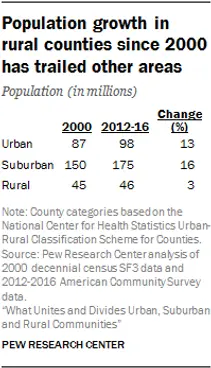
Additionally, the audience is environmentally conscious and tech-savvy, opting for sustainable products that educate. Focusing on the demographic information, and found in secondary research, it can be deduced that suburban dwellers live outside the city, have lower incomes, and have fewer elderly and more families, making these dwellers a prime target audience for the brand (Brown et al, 2018, pg 2). Although there has not long been a definition for suburban, Bucholtz (2020) confirms what research has long suspected, and that is that most Americans live in the suburbs, creating a large target audience for Greener Day Toys. To further narrow down the target audience, and show the uniqueness of the brand, a list of features and benefits was created. For the benefits, the first characteristic listed in the brand profile is the affordability of the toys, which markets them to parents on a lower pay scale, further narrowing the target audience.

Creating Brand Personality
Having the target audience established, the next step was to create a strong brand personality through cohesion. Ostrom (2022) offers that to create brand cohesion, one must first define the brand’s positioning; what the customer values, how the brand differs from the competition, and how the brand delivers to the customer’s needs. Likewise, Trump and Newman (2021) state that customers are more apt to respond to brand personalities that are positive and will heal emotions of boredom and unpleasantness. These statements were considered for each step of building the brand personality, hoping to build a brand that stood out from the competition and met the needs of the target audience. So, elements of the brand’s look and feel started to be defined, starting with the color palette.
Gremillion (2019) states in her article that it is important to understand the psychological impact colors have on a target audience. Taking this into account, while also trying to stay true to the brand voice and tone, colors normally found in nature or outdoors were chosen for the color palette, specifically green and orange. Chapman (2021) offers that the color green represents stability, and is associated with growth and nature, which only builds on the features of the brand being eco-friendly and educational. Chapman (2021) also states that the color orange is strongly associated with creativity. Being more friendly than the color red, orange commands attention without being overpowering and is a great option for any subscribe or call to action buttons on the ordering website. As for the secondary colors, shades of primary colors blue and yellow, as well as brown were used in the design process.


Likewise, typography and typefaces were researched to find the perfect typeface to denote the brand. Logo Creative (2019) tells that typography is an expression of the personality of the brand, allowing the designer to create context and further the brand’s identity. Typography was picked for headings that reflect the brand’s creative and playful aspects, while also reflecting the look and feel of being natural.

Providence Sans Pro Bold - the text chosen for headings because of its childlike script qualities.
Researching Competitors
The next step consisted of researching competitors. The first competitor brand chosen to research was Melissa and Doug, a similar company that offers sustainably made, classic, wooden toys that are screen-free and have educative qualities. Keller (2022) writes that Melissa and Doug toys are intentionally made to be very durable so they can be passed down for generations, and inspire imagination during playtime, qualities that attract the brand’s target audience. Like Greener Day Toys, Melissa and Doug partner with a company to allow responsibly sourced materials to be used in toy production.


The next brand selected was Bannor Toys, a handcrafted toy company started by husband and wife in 2011. Bannor Toys provides eco-friendly toys made with local, organic, and natural materials. Similar to Greener Day Toys, Bannor Toys’ target audience is mostly parents and grandparents who value the eco-friendly aspect and purchase the toys from the company website (Danley-Greiner, 2019). This research was considered when rethinking the brand’s true voice and tone, to create marketing materials that properly reach the target audience. Throughout the design process for Greener Day Toys, the research found was used to create and enforce uniqueness for the brand.
References:
Brown, A., Cohn, D., Fry, R., Horowitz, J. M., Igielnik, R., & Parker, K. (2018, May 22). WHAT UNITES AND DIVIDES URBAN, SUBURBAN AND RURAL COMMUNITIES. Retrieved from Pew Research: https://www.pewresearch.org/social-trends/2018/05/22/demographic-and-economic-trends-in-urban-suburban-and-rural-communities/
Bucholtz, S. (2020, August 3). Urban. Suburban. Rural. How Do Households Describe Where They Live? Retrieved from Hud User: https://www.huduser.gov/portal/pdredge/pdr-edge-frm-asst-sec-080320.html
Chapman, C. (2021, May 20). Color Theory for Designers, Part 1: The Meaning of Color. Retrieved from Smashing Magazine: https://www.smashingmagazine.com/2010/01/color-theory-for-designers-part-1-the-meaning-of-color/
Creative, L. (2019, January 18). Why Typography is important in branding. Retrieved from Logo Creative: https://www.thelogocreative.co.uk/why-typography-is-important-in-branding/
Danley-Greiner, K. (2015, December 17). D.M. toy company has international reach. Retrieved from Des Moines Register: https://www.desmoinesregister.com/story/news/local/community/2015/12/17/jesse-stacey-bannor-toys/77515038/
Gremillion, A. S. (2019). Colors and emotions: how colors make you feel. Retrieved from 99 designs: https://99designs.com/blog/tips/how-color-impacts-emotions-and-behaviors/
Keller, A. (2021, March 17). The Story of Melissa and Doug, The Beloved Children's Toy Brand. Retrieved from The Find by Zulily: https://blog.zulily.com/the-story-of-melissa-and-doug-toys/
Ostrom, C. (2022, March 26). How To Create A Cohesive Brand Identity, Personality, Voice, Story, Name, And Promise. Retrieved from Map and Fire: https://mapandfire.com/blog/how-to-create-a-cohesive-brand-identity-personality-voice-story-name-and-promise/
Shekhawat, N. S. (2021, August 13). The Do’s And Don’ts Of Successful Target Marketing. Retrieved from Startup Talky: https://startuptalky.com/dos-donts-of-successful-target-marketing/
Story, D. (2021, November 10). 7 tips to help you determine your target audience. Retrieved from Daily Story: https://www.dailystory.com/blog/7-tips-to-help-you-determine-your-target-audience/
Trump, R. K., & Newman, K. P. (June, 2021). Emotion regulation in the marketplace: the role of pleasant brand personalities. Marketing Letters, 32(2), 231-245. Retrieved from Ebsco Host.